
Turning a small AI side hustle into a full-time business takes more than just extra hours. It requires clear planning, smart use of automation, and a focus on consistent growth. The fastest way to scale is to streamline tasks with AI tools while targeting a well-defined market. This approach frees up time, reduces costs, and allows more energy to go into activities that generate revenue.

Many have moved from casual projects to steady income by using AI for tasks like content creation, customer support, and data analysis. Platforms such as those highlighted in AI side hustle guides show how automation can handle repetitive work, leaving more room for strategy and innovation. The key is to treat the side hustle as a business from the start, setting measurable goals and tracking progress.
Scaling also means avoiding common mistakes like overextending too quickly or relying on a single income stream. By following proven methods, such as those in scaling strategies with AI, it is possible to build a sustainable business that grows steadily without burning out.
Key Takeaways
- Use AI tools to automate repetitive work and save time
- Focus on a clear market and set measurable growth goals
- Avoid overexpansion and diversify income streams
Key Benefits Of Scaling Your AI Side Hustle Into A Full-Time Business
Turning an AI side hustle into a full-time career can provide greater income stability. Instead of relying on occasional projects, they can secure ongoing work and consistent revenue streams.
By committing full-time, individuals can improve their expertise in artificial intelligence and machine learning. This deeper focus often leads to higher quality output and more competitive services.
Key benefits include:
- Steadier cash flow from regular clients or product sales
- More time to refine AI models and automation systems
- Ability to expand services into new markets
- Stronger professional reputation in the AI sector
Scaling also allows them to invest in better tools and infrastructure. For example, they may adopt advanced AI platforms or hire support to handle repetitive tasks. This can increase efficiency and reduce manual workload.
A full-time AI business can open opportunities for long-term partnerships. Many companies prefer to work with dedicated providers who can deliver consistent results. According to Hustle Stack, this approach can help transform a small project into a sustainable operation.
The flexibility of AI-based work means they can serve clients worldwide. With automation and machine learning, they can manage more projects without significantly increasing working hours.
They also gain the freedom to set their own schedule and choose projects that align with their skills and interests. This autonomy often improves job satisfaction while still meeting professional goals.
Step-By-Step Guide To Scaling Your AI Side Hustle
Start by identifying a clear niche. They should focus on a specific problem or audience where AI tools can provide measurable value. For example, using generative AI to create marketing content for small businesses can be a focused and profitable area.
Streamline operations with automation. Tasks such as customer communication, scheduling, and content creation can often be automated with AI platforms. This reduces manual work and frees up time for higher-value activities.
Invest in skill development. Even without a technical background, learning how to use AI tools effectively can improve output quality. Resources like the Scaling Your AI Side Hustle guide offer practical tips for beginners.
Test and measure performance regularly. Tracking key metrics such as revenue, conversion rates, and client retention helps identify what works and what needs improvement.
Expand services or products gradually. For example, a freelancer using AI for copywriting could add AI-powered design or video production once the core service is stable.
| Step | Action | Benefit |
|---|---|---|
| 1 | Define niche | Focused marketing and clearer value |
| 2 | Automate tasks | Saves time and reduces costs |
| 3 | Build skills | Higher-quality output |
| 4 | Track metrics | Data-driven decisions |
| 5 | Add services | Increased revenue streams |
Finally, leverage freelancers or contractors to handle tasks outside core strengths. This approach, as seen in AI and freelancer scaling strategies, allows growth without building a large full-time team.
Tools And Resources For Scaling Your AI Side Hustle
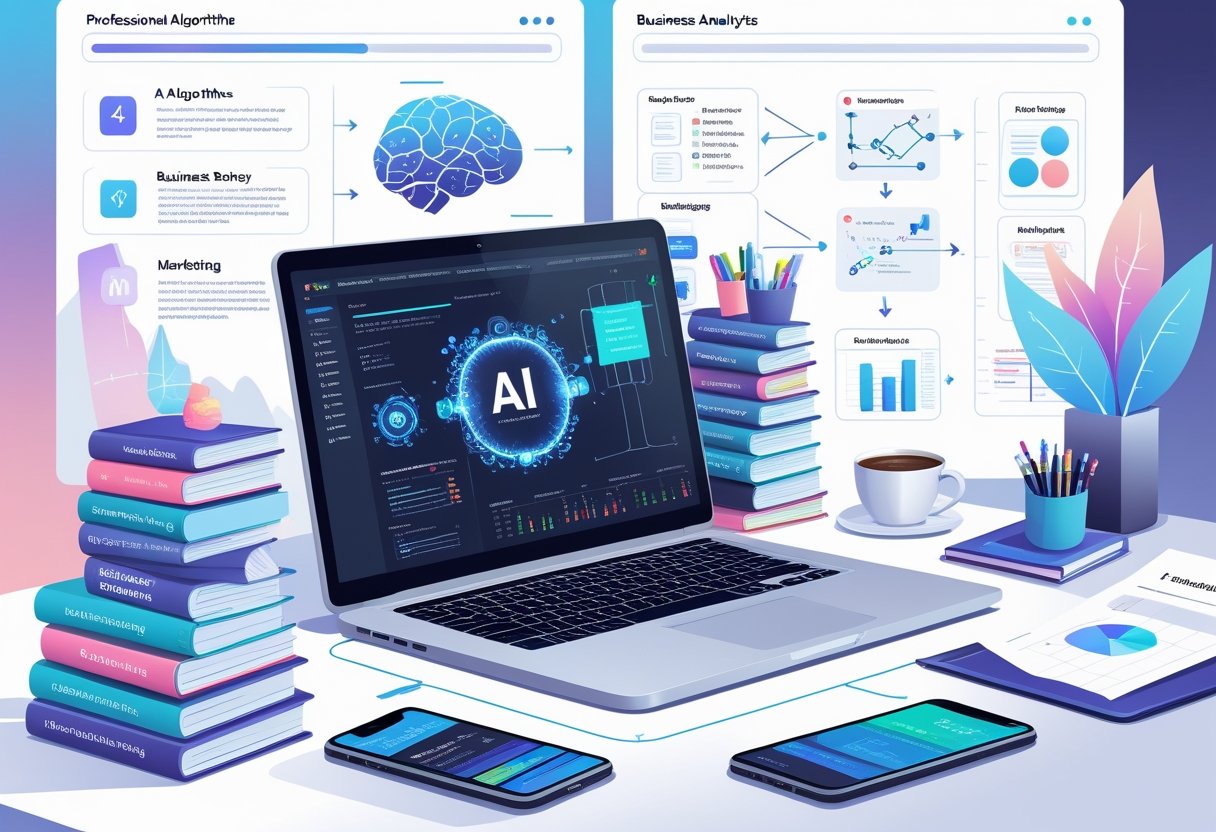
Selecting the right AI tools can help automate tasks, improve output quality, and save time. Many entrepreneurs use them to handle content creation, scheduling, and analytics so they can focus on growth.
Popular options include:
- Chat-based AI for drafting emails, blog posts, and scripts.
- Image generation tools for marketing visuals.
- SEO platforms that suggest keywords and track rankings.
For those managing multiple channels, tools for social media automation can post across platforms and analyse engagement. Services like AI-powered automation platforms help streamline these processes without hiring extra staff.
A simple table can help compare tool types:
| Tool Type | Main Purpose | Example Use Case |
|---|---|---|
| Writing Assistants | Create and edit text | Blog posts, product descriptions |
| Image Generators | Produce custom visuals | Ads, social media graphics |
| SEO Tools | Improve search visibility | Keyword research, ranking checks |
| Automation Platforms | Schedule and manage tasks | Posting content, sending emails |
Free resources are also available for those starting on a budget. Platforms that offer AI-driven free tools can provide basic features without upfront costs.
Using a mix of paid and free solutions allows side hustlers to test what works before investing further. This balanced approach can support steady scaling without unnecessary expenses.
Common Mistakes To Avoid When Scaling Your AI Side Hustle
One common mistake is treating AI like a plug-and-play tool without a clear strategy. Scaling requires defined goals, measurable success metrics, and a plan for how the AI will support business growth. Without this, early wins may not translate into sustainable results.
Many side hustlers fail to prepare their data for scaling. Poor data quality or incomplete datasets can cause inaccurate outputs and slow progress. Businesses should ensure their data is clean, structured, and regularly updated before expanding operations.
Over-reliance on one revenue stream can also stall growth. For example, a freelancer offering only one AI service may struggle if demand shifts. Diversifying services, such as adding AI automation consulting or training, can help stabilise income.
A lack of investment in infrastructure is another hurdle. As projects grow, they often need stronger computing resources, better security, and reliable hosting. Neglecting these needs can lead to downtime or performance issues.
Common pitfalls when scaling AI side hustles:
| Mistake | Potential Impact |
|---|---|
| No clear scaling plan | Unfocused growth and wasted resources |
| Poor data readiness | Lower accuracy and trust in results |
| Ignoring governance and compliance | Legal and reputational risks |
| Underestimating infrastructure needs | Service interruptions |
| Not diversifying income streams | Financial instability |
Some also skip building the right team or network. Even in freelancing, finding skilled collaborators or partnering with other specialists can speed up delivery and improve quality. As noted in common AI scaling challenges, talent planning is critical from the start.
Final Tips And Call To Action For Scaling Your AI Side Hustle

To scale an AI side hustle into a full-time career, they should focus on consistent improvement. This means refining products or services based on customer feedback and market trends. Small, regular updates often lead to steady growth.
A clear plan helps guide decisions. Setting monthly targets for revenue, leads, or output keeps progress measurable. For example:
| Month | Target Revenue | Key Action |
|---|---|---|
| 1 | £1,000 | Launch new AI service |
| 2 | £1,500 | Increase marketing activity |
| 3 | £2,000 | Automate client onboarding |
They should also diversify their income streams. Combining client work, digital products, and subscription services can reduce risk and increase stability. Platforms like HustleStack share practical examples of this approach.
Networking remains important. Engaging with online communities, industry events, and social media can lead to collaborations and new clients. Building trust takes time, but it often results in long-term opportunities.
Action steps to consider:
- Review and optimise workflows with AI tools.
- Test new marketing channels regularly.
- Track performance data and adjust strategies.
- Invest in skills that improve service quality.
By taking small but consistent actions, they can move closer to replacing or exceeding their current job income. With the right systems and focus, the side hustle can become a sustainable business that supports their career goals.
Frequently Asked Questions
Scaling an AI venture requires clear operational planning, access to capital, and strong compliance with legal and ethical standards. Entrepreneurs must also focus on targeted marketing, safeguarding intellectual property, and building a capable team to support growth.
What are the essential steps to transition from an AI side project to a full-time enterprise?
They should begin by validating the product-market fit through consistent user feedback and measurable demand.
Next, they can establish a formal business structure, set up reliable revenue streams, and create scalable workflows.
Using automation and outsourcing can help maintain efficiency during expansion.
How can I secure funding to expand my AI business operations?
Funding options include bootstrapping, angel investors, venture capital, and government grants.
Some founders use crowdfunding to test demand while raising capital.
Platforms such as HustleStack highlight how early-stage AI businesses can attract backers by demonstrating clear value and growth potential.
What legal considerations must I heed when commercialising AI technology?
They must comply with data protection laws, including GDPR for handling personal data.
Clear licensing agreements for third-party AI tools are essential to avoid infringement.
Sector-specific regulations, such as those for healthcare or finance, may also apply.
What strategies are effective for marketing AI solutions to a broader audience?
Content marketing, case studies, and targeted ads can help reach potential customers.
Partnerships with industry influencers or B2B networks can increase credibility.
Insights from AI side hustle growth trends show that demonstrating practical use cases often drives adoption.
How do I protect intellectual property when scaling up my AI business?
They can file patents for proprietary algorithms or processes.
Copyright and trade secret protections help secure code, datasets, and branding assets.
Non-disclosure agreements (NDAs) with employees and contractors reduce the risk of leaks.
What are the key hiring priorities when building a team for an AI startup?
The first hires often include machine learning engineers, data scientists, and product managers.
A marketing or sales lead can help accelerate customer acquisition.
As operations grow, legal and compliance specialists become more important to ensure sustainable scaling.