
Artificial intelligence is no longer just for large corporations. Small businesses are now using AI to automate tasks, improve decision-making, and offer more personalised services. AI can help small businesses save time, reduce costs, and compete more effectively in a fast-changing market.
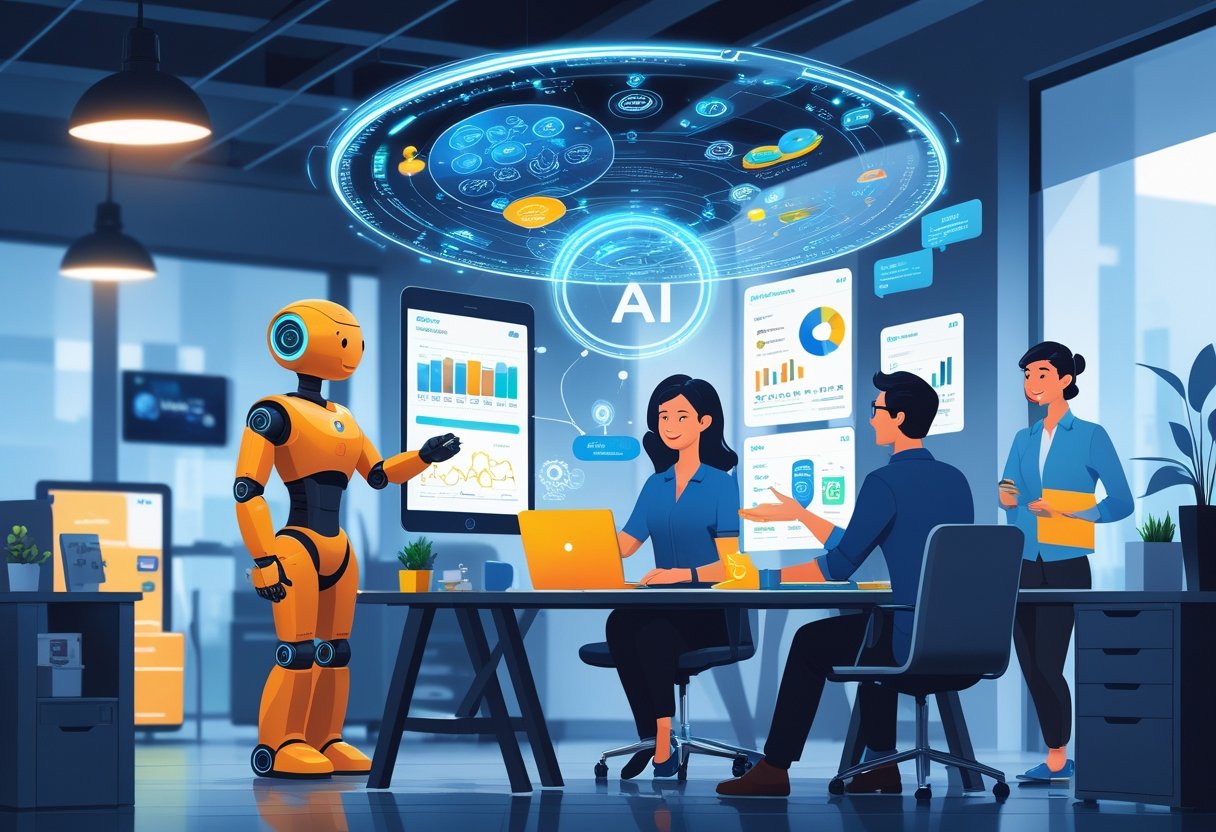
From customer service chatbots to data analysis tools, the technology is becoming easier to access and more affordable. Many small firms are already exploring practical AI applications, as shown in reports like the AI and the future of small business, which highlight how automation and smarter insights are transforming daily operations.
The shift is not about replacing people but about giving them better tools. By adopting AI in manageable steps, small businesses can build confidence and see quick results without major disruption. Those who act now will be better positioned to adapt and grow in the years ahead.
Key Takeaways
- AI offers practical ways for small businesses to work more efficiently
- Starting small can make AI adoption easier and less risky
- The right tools can help small firms compete with larger rivals
Key Benefits / Why It Matters
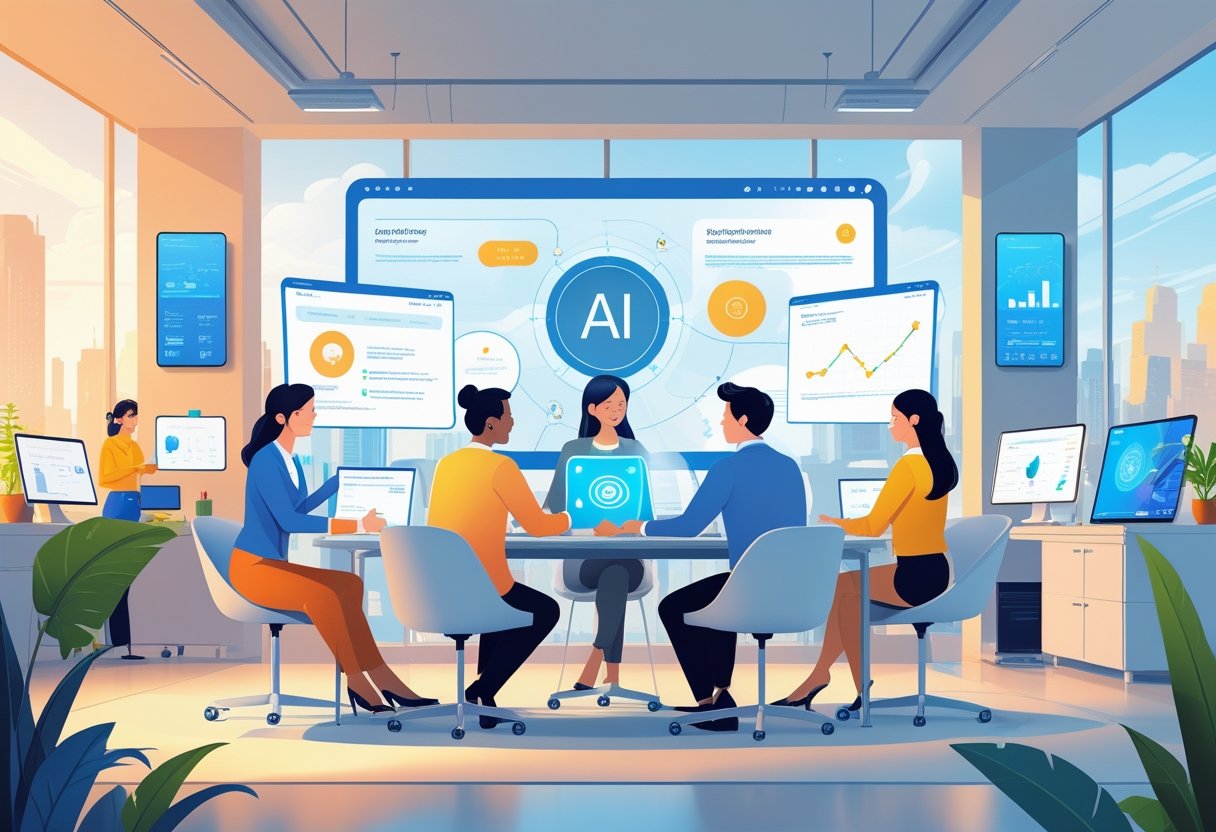
AI adoption in small businesses is growing as tools become more accessible and affordable. Many owners see it as a way to compete with larger companies without needing the same resources.
One of the main advantages is data-driven decisions. AI can analyse sales trends, customer feedback, and market patterns quickly, helping managers act on accurate information rather than guesswork.
Improving the customer experience is another strong benefit. AI-powered chatbots can provide 24/7 responses, while recommendation systems suggest products based on past purchases. This can lead to faster service and more personalised interactions.
AI in marketing allows small businesses to target specific audiences with greater precision. For example, they can use automated tools to segment customers, schedule campaigns, and track results in real time. This reduces wasted advertising spend and improves engagement.
| Benefit | How It Helps Small Businesses |
|---|---|
| Efficiency | Automates repetitive tasks, saving time |
| Cost Savings | Reduces need for extra staff for routine work |
| Better Insights | Turns raw data into useful business intelligence |
| Customer Service | Offers consistent and quick responses |
| Marketing Impact | Targets the right audience with tailored messages |
By using AI to manage operations, small businesses can focus more on strategy and growth. As noted in discussions about AI benefits for SMEs, automation and analytics can make limited budgets go further while improving competitiveness.
Step-By-Step or Tips

1. Identify Business Needs
They should start by listing areas where AI could improve efficiency or reduce costs. Common examples include customer service, data entry, and marketing analysis.
2. Choose the Right Tools
Small businesses can explore affordable options like AI chatbots for customer support or AI-driven analytics for sales trends. Selecting tools that integrate with existing systems will reduce setup time.
3. Start Small
It is best to begin with one or two focused projects. For example, automating appointment scheduling or using AI to draft marketing emails. This approach allows them to measure results before expanding.
4. Train Staff
Teams need basic training to use AI tools effectively. Even simple AI integration benefits from clear guidance on features, limitations, and data privacy practices.
5. Monitor and Adjust
They should track performance using measurable goals such as reduced response time or increased sales conversions. Regular reviews help ensure the AI continues to meet business needs.
| Step | Example Tool | Purpose |
|---|---|---|
| Identify needs | Workflow audit | Spot inefficiencies |
| Choose tools | AI chatbots | Handle customer queries |
| Start small | Email automation | Save time |
| Train staff | Online tutorials | Improve adoption |
| Monitor results | Analytics dashboard | Measure impact |
Tip: Using AI in stages helps avoid high upfront costs and reduces disruption to daily operations.
Tools / Resources
Small businesses have access to a growing range of AI tools that can improve efficiency, reduce costs, and support growth. Many of these solutions are affordable and easy to integrate into daily operations.
Popular categories include:
- Customer service: AI chatbots provide 24/7 responses to common questions.
- Marketing: Generative AI can create social media posts, emails, and ad copy.
- Operations: Scheduling, inventory tracking, and workflow automation tools save time.
Some platforms focus on specific needs. For example, AI-powered CRM systems help teams manage leads and track customer interactions. Others, like AI content creation tools, assist with blog writing, product descriptions, and image generation.
| Tool Type | Example Use Case | Potential Benefit |
|---|---|---|
| Customer Support AI | Chatbots for FAQs | Faster response times |
| Generative AI Tools | Automated content creation | Reduced marketing workload |
| Data Analysis AI | Sales trend forecasting | Better decision-making |
AI investment is becoming more common among small firms. Even modest budgets can support adoption through subscription-based services. Many providers offer free trials, allowing businesses to test before committing.
Resources like the FSB’s AI guide give practical advice on selecting and using AI tools. These can help owners understand which technologies fit their goals and capacity.
Common Mistakes To Avoid
Small businesses often rush into AI without a clear plan. Starting projects without defined goals or measures of success can waste time and money. Setting specific, measurable, achievable, relevant, and time-bound (SMART) goals helps keep AI adoption on track.
Failing to budget for hidden costs is another frequent error. AI tools may require extra spending on training, data preparation, or software updates. According to Forbes, overlooking these expenses can derail projects before they deliver value.
Some companies underestimate the need to train staff. AI systems often change workflows, and employees need new skills to use them effectively. Reskilling initiatives can improve adoption rates and reduce resistance to change.
Common AI Mistakes in Small Businesses
| Mistake | Why It’s a Problem |
|---|---|
| No clear business goal | Leads to unfocused projects and poor results |
| Ignoring hidden costs | Creates budget overruns and delays |
| Lack of staff training | Reduces efficiency and adoption |
| Poor timing of projects | Launching too early or too late limits impact |
| Not tracking competitors | Misses opportunities and market shifts |
Failing to watch competitors’ AI strategies can leave a business behind. Competitor analysis helps identify gaps and opportunities that might otherwise be missed.
Finally, starting AI too early without the right data or too late after the market shifts can both harm results. Careful timing ensures AI projects meet current business needs.
Final Tips / Call To Action
Small businesses can take simple, practical steps to start using AI effectively. Begin with one clear goal, such as improving customer service or automating routine tasks. This focused approach helps teams see results faster and avoid wasted effort.
Key actions to consider:
- Identify one business area that could benefit most from AI.
- Choose tools that are easy to implement and match current skills.
- Track results and adjust based on performance data.
They should also review reliable resources, such as this guide on practical AI starting points for small businesses, to understand common challenges and solutions.
A simple table can help prioritise AI opportunities:
| Business Area | Possible AI Use Case | Expected Benefit |
|---|---|---|
| Marketing | Automated email campaigns | Save time and improve reach |
| Customer Service | Chatbots for FAQs | Faster response times |
| Inventory Management | Demand forecasting | Reduce overstock and waste |
It is important to train staff on any new system. Even basic training can improve adoption and reduce errors.
They should also stay informed about trends, such as those outlined in AI adoption reports for small businesses, to ensure their strategy remains relevant.
Finally, regular review of AI tools ensures they continue to deliver value. If a tool is not meeting expectations, it should be replaced or adjusted rather than ignored.
Frequently Asked Questions
Small businesses can use AI to save time, improve accuracy, and make informed decisions. Many affordable or free tools are available, and some services help companies adopt these technologies without needing in-house expertise.
What are the top free AI tools available for small businesses?
Free options like ChatGPT Free can help with content writing, idea generation, and basic customer support scripts.
Google Analytics uses AI-driven insights to track website performance and user behaviour.
Canva offers AI-powered design assistance for creating marketing materials quickly.
How can AI enhance marketing strategies for small businesses?
AI can segment audiences and suggest targeted campaigns based on data.
Tools like Mailchimp use AI to recommend send times and subject lines that improve open rates.
AI-powered analytics can track campaign performance and adjust strategies in real time.
Which AI tools offer the best value for small business owners?
Platforms that combine multiple features often provide the best value.
For example, HubSpot integrates AI for CRM, marketing automation, and customer service in one place.
Trello with AI add-ons can improve project management and workflow tracking at low cost.
In what ways can AI contribute to the growth of small businesses?
AI can improve customer service through chatbots and virtual assistants, offering 24/7 support.
It can also predict customer needs using data analysis, leading to better product recommendations.
Automation of routine tasks frees up staff for higher-value work.
What are the initial steps for integrating AI into a small business or startup?
Identify a specific problem or process that could benefit from automation or data insights.
Start with small, low-risk projects to test the technology.
As suggested in guides for SMEs, keep business goals and human oversight central to the process.
What consulting services are recommended for small businesses looking to adopt AI technologies?
AI consulting firms can guide businesses through selecting and implementing the right tools.
Services like those described in AI consulting for UK small businesses help bridge the gap between complex technology and practical use.
They can also train staff to use AI effectively and monitor results.