
Building a personal brand no longer relies solely on manual effort and endless hours of trial and error. By using AI tools, anyone can create a clear, consistent, and professional brand presence more efficiently. These tools help with content creation, visual design, social media management, and audience engagement, allowing individuals to focus on strategy rather than repetitive tasks.
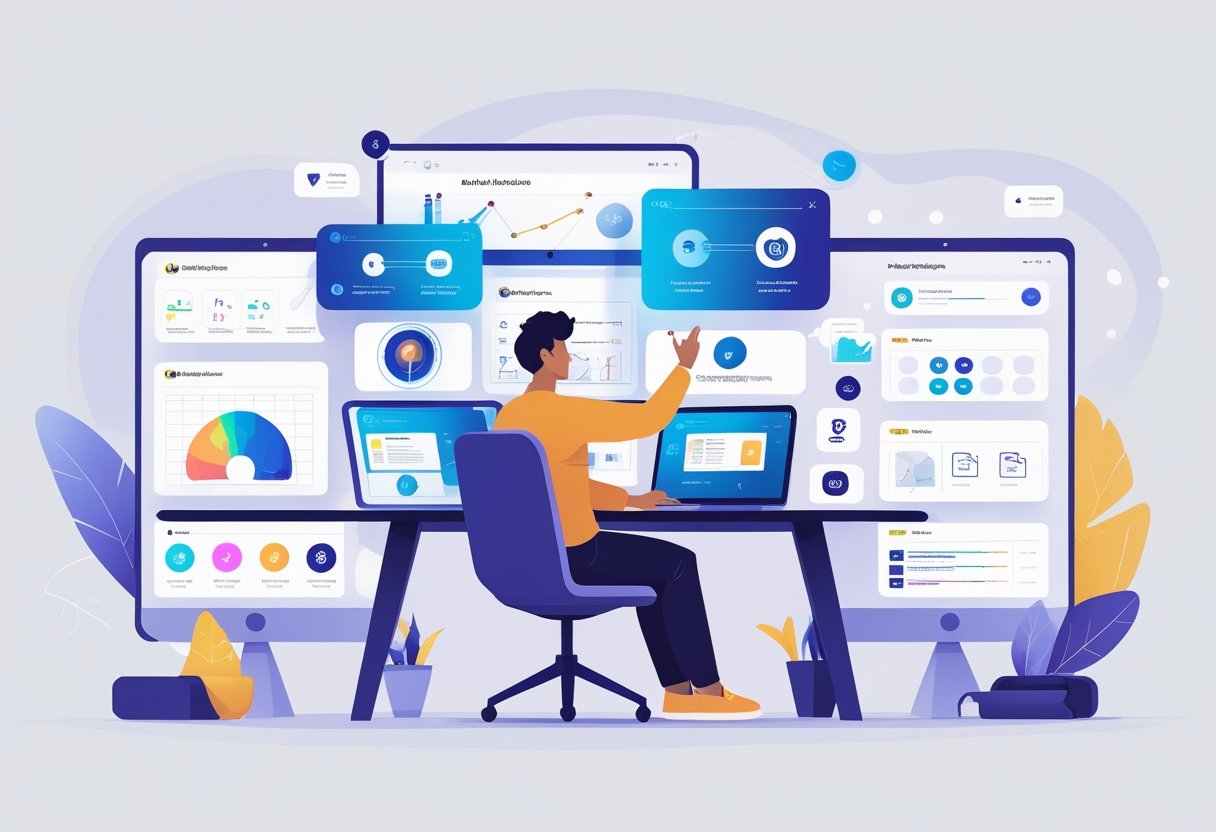
From crafting engaging posts to designing branded visuals, AI can streamline every stage of the process. Platforms highlighted in guides like The Ultimate Guide to Building a Personal Brand with AI Tools show how automation and personalisation can work together to strengthen credibility and visibility online.
Those who adopt AI for personal branding often gain a competitive edge. They can analyse audience behaviour, create tailored messages, and present a polished image across multiple channels with minimal effort. This approach not only saves time but also ensures consistency, which is key to building trust.
Key Takeaways
- AI tools make building a personal brand faster and more consistent
- Strategic use of automation improves engagement and credibility
- Choosing the right tools helps avoid wasted time and effort
Key Benefits / Why It Matters
AI tools can help people build a personal brand that is consistent and clear. They make it easier to define a brand voice that matches their skills, values, and goals. This can help them communicate more effectively across different platforms.
One important benefit is time efficiency. AI can automate tasks like drafting social media posts, creating email content, or suggesting topics. This allows individuals to focus on higher-value activities such as networking or skill development.
AI can also improve content personalisation. By analysing audience behaviour and preferences, tools can suggest relevant topics and formats. This can increase engagement and make messages more meaningful to the intended audience, as seen in AI-powered personal branding guides.
Maintaining authenticity is essential. While automation can speed up content creation, individuals still need to review and adapt AI-generated material to ensure it reflects their personality and values. This balance between automation and authenticity is a key factor in effective brand building.
Examples of benefits:
| Benefit | How AI Helps |
|---|---|
| Consistent brand voice | Style and tone suggestions |
| Time savings | Automated content creation |
| Audience engagement | Data-driven content ideas |
| Improved reach | Platform-specific optimisation |
By combining automation with human input, AI can help individuals present a personal brand that is both professional and genuine. This can support career growth, networking, and visibility in their field.
Step-By-Step or Tips
1. Define the Brand Identity
They should start by identifying their values, skills, and target audience. A clear branding strategy helps guide all future decisions and ensures consistent messaging across platforms.
2. Use AI for Market and Audience Research
AI tools can analyse trends, competitors, and audience behaviour. This data supports better SEO planning and helps content reach the right people through relevant keywords and topics.
3. Create Personalised Content
By using AI-driven insights, they can produce personalised content that speaks directly to audience needs. This includes tailoring blog posts, videos, and social media updates for different segments.
4. Plan and Automate Email Campaigns
AI can help design and schedule email campaigns that match audience preferences. Automation ensures timely delivery and allows for A/B testing to improve engagement.
5. Optimise for Search Engines
They should integrate SEO best practices into all content. This includes optimising headlines, meta descriptions, and internal links to improve visibility in search results.
6. Monitor and Adjust Strategy
Regularly reviewing analytics helps them understand what works and what does not. AI tools can highlight performance patterns and suggest adjustments.
| Step | Focus Area | Example AI Use |
|---|---|---|
| 1 | Brand Identity | Keyword mapping for niche topics |
| 2 | Research | Competitor analysis reports |
| 3 | Content | Automated personalisation tools |
| 4 | AI-based send-time optimisation | |
| 5 | SEO | Content scoring for ranking potential |
| 6 | Review | Predictive analytics for trends |
For more guidance, they can explore this step-by-step guide to building a personal brand with AI.
Tools / Resources
AI tools can help individuals create, manage, and promote their personal brand more efficiently. They can support content creation, design, scheduling, and editing tasks with minimal manual effort.
Content creation platforms like ChatGPT and Jasper can help generate blog posts, social media captions, and email drafts. These tools allow users to refine tone, improve clarity, and produce ideas quickly.
For visual design, Canva and Adobe Firefly offer AI-powered features to create graphics, presentations, and marketing materials. They include templates and editing tools suited for non-designers.
Social media management platforms such as Hootsuite make it easier to schedule posts, monitor engagement, and track performance across multiple channels. Some include AI features to suggest optimal posting times and content ideas.
For websites and blogs, WordPress remains a flexible option. Users can integrate AI plugins for SEO, content suggestions, and chatbot functions to improve visitor interaction.
Editing and proofreading tools like Grammarly can check grammar, spelling, punctuation, and style. This helps maintain a professional and consistent voice across written content.
| Tool / Platform | Main Use | AI Features Available |
|---|---|---|
| ChatGPT, Jasper | Content writing and ideation | Yes |
| Canva, Adobe Firefly | Graphic and visual design | Yes |
| Hootsuite | Social media scheduling | Some |
| WordPress | Website creation and management | Optional plugins |
| Grammarly | Writing and editing | Yes |
Chatbots can also be added to websites or social media channels to handle basic questions, improving response time and user experience.
Common Mistakes To Avoid

One frequent mistake is relying too heavily on AI-generated content without adding a human touch. This can make posts feel impersonal and reduce audience connection. AI should support, not replace, authentic communication.
Inconsistent branding across platforms can confuse followers. Visual style, tone, and messaging should align with the brand’s identity. Tools can help maintain this consistency, but they must be guided by clear brand guidelines.
Focusing only on output and ignoring engagement metrics is another pitfall. Tracking likes, comments, shares, and click-through rates helps measure whether branding efforts are working. Without reviewing these numbers, it is hard to adjust strategies effectively.
Common Pitfalls and Their Impact
| Mistake | Potential Impact |
|---|---|
| Over-automation | Loss of personal voice |
| Inconsistent branding | Weak brand recognition |
| Ignoring engagement data | Missed opportunities for growth |
| Poor-quality visuals | Reduced audience trust |
Some users also overlook the importance of fact-checking AI-generated content. Errors or outdated information can damage credibility and trust.
Others fail to adapt their approach over time. As audience needs change, branding efforts must evolve. AI can help identify trends, but humans must decide how to respond.
Finally, using AI without understanding its limits can lead to generic or irrelevant posts. As noted in this guide on avoiding branding mistakes with AI, strategy and oversight remain essential for effective personal branding.
Final Tips / Call To Action

To make the most of AI in personal branding, they should start small and focus on one or two tools that meet their needs. This reduces complexity and helps them see results faster.
Practical steps to take next:
- Identify their main branding goal (e.g., content creation, audience engagement, design).
- Choose an AI tool that directly supports that goal.
- Test and adjust the approach based on performance data.
They can explore platforms that offer AI-driven branding support, such as those listed in guides like how to build a personal brand using AI tools. This can save time and help them produce consistent, high-quality content.
Key reminders:
| Focus Area | Why It Matters |
|---|---|
| Consistency | Builds trust and recognition |
| Accuracy | Ensures information is correct |
| Tone | Keeps brand voice clear and aligned |
They should also review AI output before publishing. While AI can speed up work, human oversight ensures the brand remains authentic and accurate.
Finally, they may benefit from setting a regular schedule for brand updates. Even a short weekly review can keep their online presence fresh and relevant.
Frequently Asked Questions
AI can help individuals create consistent branding, improve audience targeting, and produce content more efficiently. It can also offer data-driven insights to refine strategies and track measurable results over time.
What are the best AI tools currently available for developing a personal brand?
Several AI platforms support personal branding, each with different strengths. Tools like Jasper for content creation, Canva’s AI features for visual design, and ChatGPT alternatives for idea generation can help with messaging. Social media schedulers with AI capabilities, such as Buffer or Later, can streamline posting.
How can AI assist in creating a unique brand identity?
AI can analyse tone, style, and audience engagement to recommend brand guidelines. Design tools can generate logos, colour palettes, and layouts based on brand values. Platforms like AI Magicx can also tailor content strategies to match a specific niche or industry.
What are the benefits of using AI for personal branding over traditional methods?
AI speeds up tasks such as content creation, editing, and scheduling. It can also provide real-time insights into what works and what does not, reducing trial and error. This allows individuals to focus more on strategy and relationship building while maintaining consistent output.
Can AI tools help in understanding and reaching my target audience more effectively?
Yes. AI can process large amounts of engagement data to identify patterns in audience behaviour. Tools like Produkto’s branding guide show how sentiment analysis and demographic insights can guide content creation and posting times for better reach.
What are the ethical considerations when using AI for personal branding purposes?
Users should ensure transparency when AI generates content, especially if it affects trust. Protecting personal data and respecting audience privacy is essential. Avoiding plagiarism and verifying AI-generated information can also prevent reputational risks.
How can I measure the impact of AI-driven branding strategies on my personal brand’s growth?
AI analytics tools can track metrics such as follower growth, engagement rates, and website traffic. Comparing these results before and after implementing AI strategies can reveal their effectiveness. Some platforms offer dashboards that display trends and highlight areas for improvement in real time.